Casino Evaluation Frameworks Uncovering Ties Between Entertainment Catalogs, Funding Channels, and Entry-Level Incentives in Wireless Platforms
Cameron Hoffmann · Nov 15, 2026
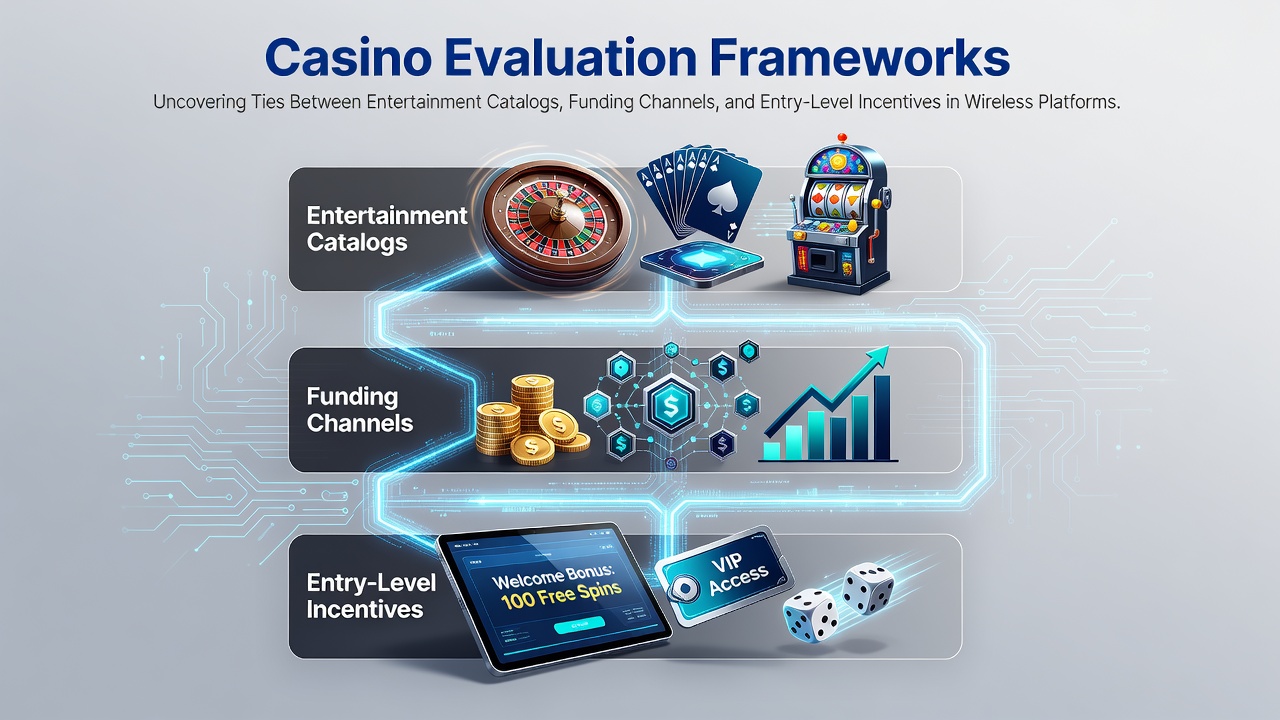
Casino Evaluation Frameworks Uncovering Ties Between Entertainment Catalogs, Funding Channels, and Entry-Level Incentives in Wireless Platforms
Frameworks used to evaluate casino operations continue to map direct connections among entertainment catalogs, funding channels, and entry-level incentives on wireless platforms, with data from multiple regulatory jurisdictions showing consistent patterns in how these elements interact during 2026. Researchers tracking mobile gaming ecosystems note that game libraries now serve as the primary interface where users encounter initial reward structures, while payment networks determine how those rewards convert into actual play credits across devices.
Entertainment Catalogs as Central Hubs
Entertainment catalogs on wireless platforms organize thousands of titles from various developers into searchable and categorized libraries, and evaluation frameworks examine how these catalogs integrate with bonus eligibility rules that activate upon first deposits. Studies from industry monitoring groups indicate that catalog updates in November 2026 often coincide with revised incentive offerings, creating measurable shifts in user engagement metrics tracked by platform operators. Those who've analyzed catalog structures observe that slot and table game sections frequently host the most visible entry-level promotions, linking specific titles to funding requirements that must clear before rewards become withdrawable.
Funding Channels and Their Integration Points
Funding channels encompass digital wallets, bank transfers, and mobile payment processors that platforms embed directly into account creation flows, and frameworks assess how these channels align with catalog access and bonus activation timelines. Data from the Nevada Gaming Control Board shows transaction volumes through wireless methods rising steadily through late 2026, with evaluation protocols now requiring operators to demonstrate clear audit trails between payment confirmations and reward crediting events. Observers note that seamless funding options reduce friction points where users might abandon the process before claiming entry-level incentives tied to specific catalog selections.
Entry-Level Incentives and Verification Protocols
Entry-level incentives typically include matched deposits, free spins, or credit packages that platforms extend to new accounts, yet frameworks require these offers to connect transparently with both catalog content and approved funding methods. Certification bodies in several regions have documented cases where mismatched incentive terms led to compliance reviews, prompting operators to standardize how bonuses appear alongside game libraries on mobile interfaces. Research indicates that verification protocols now link user identity checks performed during funding to the release of incentive funds, ensuring that catalog playthrough requirements apply uniformly regardless of device or payment type.
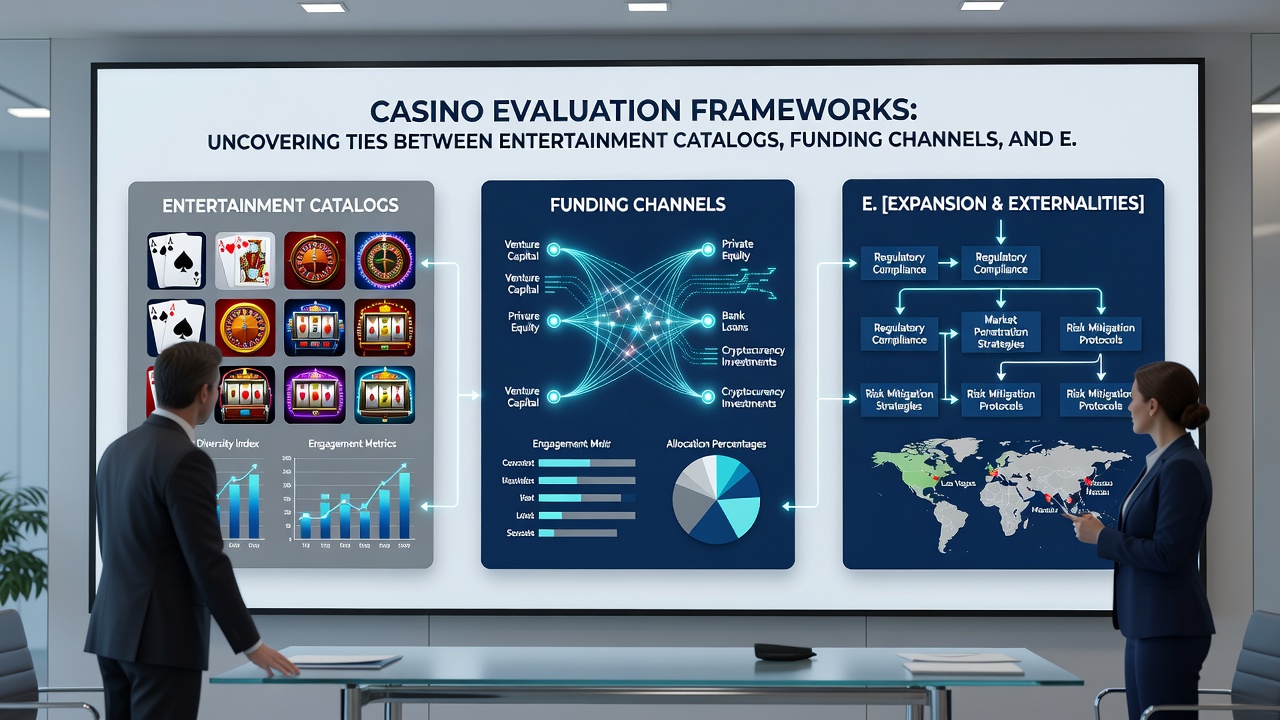
Framework Mechanisms for Tracing Connections
Evaluation frameworks employ layered audit processes that trace data flows from catalog displays through funding confirmations and into incentive ledgers, and regulators in multiple jurisdictions have adopted standardized reporting formats to capture these linkages. One study revealed that platforms using unified APIs across these three areas achieve faster certification cycles, while those maintaining separate systems encounter repeated reconciliation issues during reviews. Experts have observed that November 2026 updates to mobile operating systems prompted several operators to adjust how catalog metadata interacts with real-time payment status checks, directly affecting when entry-level rewards become available for use.
Industry reports compiled by the Malta Gaming Authority highlight that frameworks increasingly rely on automated monitoring tools to flag discrepancies between advertised catalog bonuses and actual funding channel processing times. These tools generate alerts when incentive activation lags behind payment settlement, allowing operators to address gaps before they impact compliance scores. Data shows that platforms maintaining synchronized records across all three components experience fewer user disputes related to reward eligibility on wireless applications.
Regional Variations in Implementation
Implementation differs across regulatory landscapes, with North American frameworks emphasizing transaction security within funding channels while European approaches focus more on catalog transparency and bonus term clarity. Canadian provincial regulators have introduced guidelines requiring explicit mapping of incentive playthrough contributions from specific game categories, whereas Australian oversight bodies track how mobile payment providers report bonus-related activity to central monitoring systems. Those who've studied cross-border operations note that wireless platforms serving multiple regions must maintain separate evaluation logs to satisfy each jurisdiction's framework requirements simultaneously.
Conclusion
Casino evaluation frameworks continue to refine their methods for documenting interactions among entertainment catalogs, funding channels, and entry-level incentives on wireless platforms, producing datasets that regulators and operators alike use to maintain operational standards. As mobile infrastructure evolves through the remainder of 2026, these frameworks provide the structural basis for consistent oversight across diverse markets and payment ecosystems.